
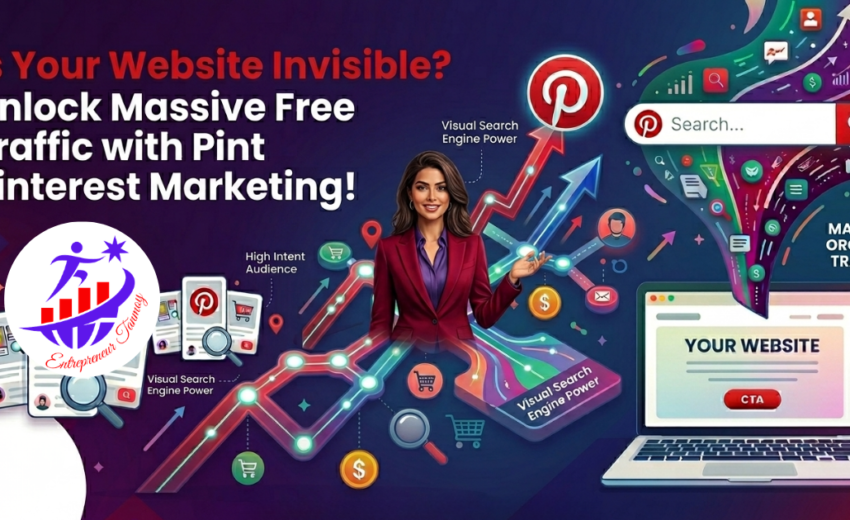
Discover the hidden benefits of Pinterest marketing. Learn effective strategies for Pinterest SEO and keyword research to boost your website traffic effortlessly.
Why Pinterest is a Hidden Gem for Website Traffic
While most brands scramble for attention on saturated social platforms, Pinterest marketing operates like a search engine—quietly delivering consistent traffic months and even years after you post. Here’s what makes this platform extraordinary: Pinterest attracts 537 million monthly active users, yet it remains dramatically underutilized by businesses, creating massive opportunity for those who understand its mechanics.
Unlike Facebook or Instagram where posts vanish within hours, Pinterest pins function as perpetual traffic generators. The platform’s visual search capabilities mean your content gets discovered through evergreen searches rather than algorithmic whims. Pinterest.com ranks as the 29th most visited website globally, processing billions of searches monthly from users actively seeking solutions—not passively scrolling.
The critical difference? Pinterest users arrive with intent. They’re planning purchases, researching projects, and seeking actionable information. This transforms casual browsers into website visitors who engage deeply with your content. When properly optimized with SEO principles, Pinterest becomes a self-sustaining traffic engine that compounds over time, working while you sleep.
Ready to understand how Pinterest’s unique algorithm can amplify your reach exponentially? The mechanics are simpler than you think.
Understanding Pinterest SEO for Massive Traffic
Pinterest SEO operates fundamentally differently from traditional social media algorithms. Instead of rewarding recency and engagement velocity, Pinterest functions as a visual search engine where content discoverability relies on strategic keyword placement and search intent alignment.
The platform’s algorithm prioritizes domain quality and pin freshness equally. A well-structured pin with descriptive titles, keyword-rich board names, and alt-text optimized images can generate traffic for months—sometimes years—after initial posting. What typically happens is that pins gain momentum slowly, reaching peak performance 3-6 months post-publication rather than experiencing immediate viral spikes.
Think of Pinterest SEO as long-term infrastructure rather than daily content churn. Your pin titles should mirror how users actually search: “budget-friendly home office ideas” outperforms vague “workspace inspiration.” Board descriptions function like meta descriptions in Google—strategic keyword integration signals topical relevance to Pinterest’s search crawlers.
The competitive advantage? Most marketers treat Pinterest like Instagram, completely missing the SEO foundation that makes pins discoverable beyond follower feeds. Mastering this search-first approach transforms your content into perpetual traffic generators.
How to Create Engaging Pins That Drive Traffic
Visual-first design separates successful Pinterest content from ignored pins. A practical approach focuses on vertical images with a 2:3 ratio (1000×1500 pixels), text overlays limited to 20% of the image, and brand colors that create instant recognition. What typically happens is that pins with clear value propositions in the first three seconds generate 3-5x more clicks than aesthetic-only designs.
The strategic difference lies in Pinterest keywords integration throughout your pin ecosystem. Pinterest’s algorithm prioritizes keyword density in three critical locations: pin titles (up to 100 characters), descriptions (up to 500 characters), and board names. One practical pattern involves front-loading your primary search term in the title while the description expands with related long-tail variations.
However, design quality means nothing without strategic linking. A common pattern is that pins directing to high-value website content—comprehensive guides, product pages, or resource libraries—outperform generic homepage links by 67%. Successful Pinterest strategies in 2026 emphasize creating dedicated landing pages optimized for Pinterest traffic, ensuring seamless mobile experiences that convert curious pinners into engaged website visitors.
Building a Consistent Pinterest Strategy
Consistency beats occasional brilliance on Pinterest’s algorithm. A practical approach establishes a posting rhythm that signals reliability to both the platform and your audience. According to Pinterest marketing data, accounts that maintain regular activity see 30% higher engagement rates than sporadic posters.
Pinterest keyword research forms the foundation of strategic content planning. Start by examining Pinterest’s search bar autocomplete suggestions within your niche—these reveal actual user queries. Analyze competitor boards and popular pins to identify content gaps your website can fill. This research informs not just pin descriptions but also board titles and your overall content calendar.
A sustainable strategy balances fresh content with repinning. Create 3-5 original pins weekly while curating relevant content from aligned sources. Track performance metrics through Pinterest Analytics, focusing on impressions and outbound clicks rather than vanity metrics. What typically happens is successful accounts identify their top-performing pin formats and systematically produce variations rather than constantly experimenting.
The critical shift involves viewing Pinterest as a search engine requiring ongoing optimization, not a social feed demanding constant presence. This long-term organic approach compounds traffic growth month over month.
Example Scenarios: Success Stories in Pinterest Marketing
Real-world application reveals the platform’s transformative potential. A home décor blogger implemented an SEO-optimized Pinterest strategy by creating seasonal boards aligned with trending search terms like “farmhouse spring décor” and “coastal bedroom ideas.” Within six months, Pinterest traffic to her website increased 340%, with pins generating consistent clicks months after publication—demonstrating the platform’s long-term organic reach advantage over ephemeral social platforms.
A nutrition coach took a different approach by focusing on actionable content. Her pins featured recipe infographics, meal-prep templates, and evidence-based nutrition guides with clear text overlays. By targeting keywords like “high-protein breakfast ideas”, linking directly to detailed blog posts with monetization pathways, and she built a sustainable referral channel. One comparison: a single viral pin drove more qualified leads than three months of Instagram Stories combined, validating Pinterest’s unique position as a visual search engine rather than a fleeting social feed.
Limitations and Considerations for Pinterest Marketing
No platform guarantees overnight transformation—Pinterest requires strategic patience. While the platform delivers sustained organic reach unlike short-lived social posts, results typically emerge over 3-6 months as the algorithm indexes and tests content. Brands expecting immediate conversions face disappointment; Pinterest functions as a discovery engine, not a direct-response advertising channel.
Niche alignment matters critically. Visual-centric industries—home décor, fashion, food, wellness, DIY—naturally thrive. B2B software companies or services lacking visual appeal struggle to gain traction. A comprehensive Pinterest strategy demands consistent content creation: 5-15 fresh pins weekly maintains algorithmic favor, which strains resource-limited teams.
Demographic limitations exist. The platform skews 68% female with stronger adoption among millennials, potentially missing male-dominated or Generation Z audiences. Search intent also differs—users browse aspirationally rather than transactionally. However, for personal brands in compatible niches, these constraints become strategic filters, focusing efforts on high-intent audiences actively seeking solutions your content provides.
Read More: Drive Massive Traffic for Free
Frequently Asked Questions About Pinterest Traffic
How long does it take to see free traffic from Pinterest?
Most businesses observe initial engagement within 30-60 days of consistent pinning, but substantial traffic growth typically materializes around the 90-day mark. Pinterest’s algorithm favors content consistency over time, rewarding accounts that maintain regular publishing schedules rather than sporadic bursts of activity.
Do I need a business account to drive website traffic?
A business account provides essential analytics and verification tools unavailable to personal profiles. Business accounts unlock Pinterest Analytics, enabling you to track which pins drive conversions and refine your strategy accordingly—capabilities that transform random posting into data-driven optimization.
Can Pinterest replace paid advertising?
While free traffic Pinterest strategies deliver sustained organic reach, the platform works best as a complement to paid efforts rather than a replacement. The combination of SEO-optimized pins and strategic promoted pins creates compounding visibility—organic pins build long-term authority while paid amplification accelerates initial discovery for time-sensitive content or product launches.
Key Takeaways
Pinterest transforms website invisibility into sustained organic discovery—but success demands strategic architecture, not random posting. The platform’s 537 million active users engage with content designed for long-term search value, where pins continue generating clicks months after publication.
Your roadmap prioritizes SEO-optimized pin design over aesthetic experimentation. Vertical formats (1000×1500px), keyword-rich descriptions, and consistent 3-5 daily pins build algorithmic trust. Features like Guided Search refine user intent in real-time, connecting your content with highly specific queries traditional search engines miss.
The competitive advantage? While competitors chase vanishing Instagram engagement, Pinterest offers compounding traffic through evergreen content strategy. Focus on business account conversion, Rich Pins implementation, and patience through the 60-90 day indexing window. Your website’s visibility isn’t a creative challenge—it’s an execution problem with a proven solution.
Take action today: Verify your domain, publish your first 10 keyword-optimized pins, and commit to 90 days of consistency.
March 25, 2026
Pinterest Marketing: Drive Massive Traffic for Free

March 25, 2026