
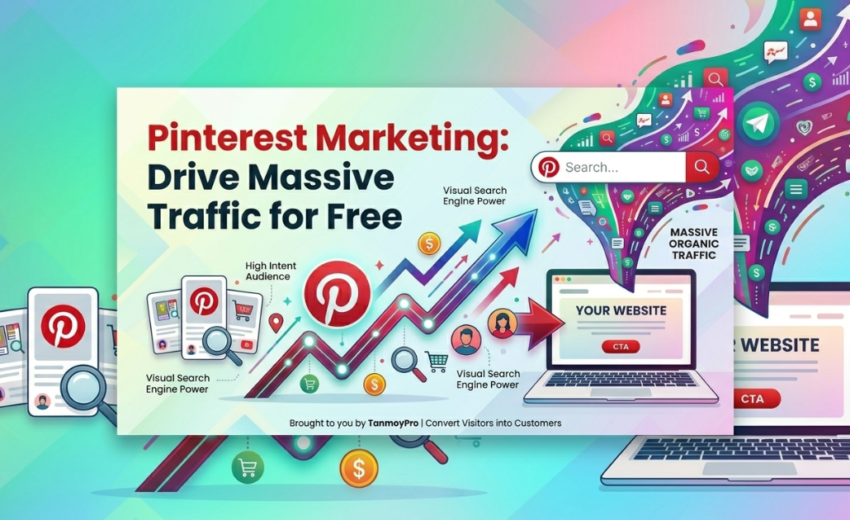
Discover powerful Pinterest marketing strategies to drive free traffic. Optimize your profile, use keywords, and harness Pinterest analytics for success.
Introduction to Pinterest Marketing
Most businesses treat Pinterest like just another social media platform—and that’s exactly why they fail. Pinterest isn’t social media; it’s a visual search engine where 498 million monthly users actively hunt for solutions, products, and inspiration with purchase intent already baked in. According to Pinterest’s 2023 data, 83% of weekly users have made purchases based on content they discovered on the platform—a conversion rate that leaves traditional social channels in the dust.
The real game-changer? Pinterest strategy operates on an entirely different algorithm than Instagram or Facebook. Instead of fighting for attention in a crowded feed that expires in hours, your Pins can drive traffic for months—or even years—after you post them. Features like Guided Search intelligently surface your content to users actively searching for exactly what you offer, creating a self-sustaining traffic engine that compounds over time.
Here’s the strategic reality most marketers miss: while competitors burn budgets on paid ads and chase algorithmic trends on volatile platforms, Pinterest delivers consistent, conversion-focused traffic completely free. This isn’t about vanity metrics or viral moments—it’s about building a reliable channel that turns visual discovery into measurable business growth. Let’s break down how to set up and optimize your Pinterest presence for maximum ROI.
Setting Up Your Pinterest Account for Success
Before you can dominate Pinterest traffic, you need a business account—not a personal one. The difference? Pinterest analytics, professional branding, and access to advertising tools that personal accounts simply don’t offer.
Converting to a business account takes three minutes. Navigate to Settings, claim your website, and enable Rich Pins. This verification step is critical for Pinterest SEO because it tells the platform your content is trustworthy and should rank higher in search results.
Your profile optimization matters more than most marketers realize. According to Pinterest analytics data, businesses with complete profiles (profile image, description with keywords, claimed website) see 40% more engagement than incomplete profiles.
Focus on your “About” section next. This isn’t creative writing—it’s keyword real estate. Include what you offer, who you serve, and the problems you solve. Think like your ideal customer searches: “website design for coaches” ranks better than “helping dreams come true through visual magic.” The final setup piece? Board structure. Create 10-15 boards around your core topics before publishing a single Pin. Each board title should include searchable keywords while remaining reader-friendly. “Pinterest Marketing Strategies” beats “Pins I Love” every time.
This foundation directly impacts your discoverability—which sets the stage for keyword research that actually converts.
Understanding Pinterest SEO: Keyword Research & Trends
Pinterest keywords work differently than Google search. On Pinterest, people aren’t looking for information—they’re hunting for solutions, inspiration, and actionable ideas. According to WebFX’s 2023 benchmarks, 85% of weekly Pinners use the platform to start new projects, which means your keyword strategy must align with intent-driven discovery.
Start by typing broad terms related to your niche into Pinterest’s search bar. The platform auto-suggests popular phrases—these are goldmines. A florist might see “spring wedding bouquets” morph into “wildflower bridal arrangements” or “rustic centerpiece ideas.” Each variation reveals what real users are actively seeking.
Promoted Pins data offers another layer of intelligence, even if you’re not advertising yet. Browse Pinterest’s Ads Manager to see which keywords competitors bid on—these terms have proven commercial value. One practical approach is cross-referencing Pinterest’s trend reports with your own content calendar. Pinterest Predicts 2023 identifies emerging interests months before they peak, giving you a content creation advantage most businesses ignore.
What typically happens when you align keywords with trends? Your pins surface in search results and category feeds, compounding visibility exponentially.
Creating Compelling Pins That Drive Traffic
After understanding Pinterest keyword research fundamentals, your next job is designing pins that compel clicks—not just scrolls. The reality? Pinterest is a visual search engine where aesthetics meet intent. A poorly designed pin with perfect keywords still fails. A stunning pin without optimization never gets seen.
The conversion-first approach: Start backward from your landing page. If your website promotes web design services, your pin should visually hint at transformation—before/after website mockups, clean typography, problem-agitation imagery. The pin’s job isn’t to look pretty; it’s to create a micro-commitment that bridges curiosity to your site.
Use a keyword tool like Pinterest’s native Trends feature or third-party options to validate visual concepts before designing. According to Pinterest data, trend-aligned content sees 22% higher engagement. If “coastal grandmother aesthetic” is trending and you sell home décor, your pin design should mirror that visual language—not just the keywords.
The quotable truth: “Your pin isn’t competing with other marketers—it’s competing with dream vacations, wedding inspiration, and dinner recipes.” Make it scroll-stopping or make it invisible.
Engagement Strategies: Consistent Posting and Fresh Content
Pinterest rewards fresh activity—not sporadic bursts followed by silence. The platform’s algorithm prioritizes accounts that consistently publish new pins, making your posting frequency a direct conversion driver. According to Pinterest analytics data, accounts that maintain regular scheduling see up to 2x higher distribution rates than inconsistent profiles.
Here’s the conversion-first approach: Schedule 15-25 new pins weekly, spacing them throughout peak activity windows (evenings and weekends typically perform best). Mix original content pins with strategic re-pins that align with ongoing Pinterest keyword research. Each pin should link back to your website, transforming casual browsers into qualified leads.
Profile optimization extends beyond your bio—it’s an ongoing process. Refresh board descriptions quarterly to match evolving search trends identified through Pinterest’s analytics. Update your profile banner seasonally to reflect current offerings. Archive underperforming boards that dilute your authority.
The reality? Pinterest isn’t a set-and-forget platform. Brands that treat it like passive social media watch engagement flatline. Those treating it as an active search engine—constantly testing keywords, refreshing visuals, analyzing what drives clicks—see compounding traffic growth. Your pins have a 3-5 month lifespan, meaning today’s consistent effort becomes next quarter’s passive traffic stream.
Avoiding Pinterest Pitfalls: Common Mistakes to Avoid
Even with strong fundamentals, subtle mistakes can sabotage your ability to get traffic from Pinterest. One critical error? Treating Pinterest like a content graveyard. According to Pinterest analytics data, accounts that pin sporadically—posting 20 pins one week, then disappearing for three—see dramatic engagement drops. The algorithm interprets inconsistency as abandonment, throttling your reach just when you’re building momentum.
Another conversion killer: ignoring pin descriptions entirely. The reality? Descriptions aren’t optional SEO fields—they’re your pitch to both algorithms and humans. Pins without keyword-rich, benefit-driven descriptions rarely generate Pinterest traffic beyond the first 48 hours. Instead, craft 150-200 character descriptions that answer “What will I learn?” and include your target keywords naturally.
Finally, avoid the “set and forget” trap. Pinterest’s trend cycles shift quarterly—seasonal interests evolve, search patterns change, and winning formats rotate. Accounts that never audit performance metrics (CTR, saves, outbound clicks) miss opportunities to double down on what works and cut what doesn’t. Successful Pinterest traffic strategies require iteration, not perfection on day one.
Case Studies: Successful Pinterest Traffic Strategies
Real-world examples reveal how businesses transform free Pinterest traffic into measurable results through conversion-first strategies. One documented pattern involves product-based businesses optimizing pin descriptions with specific search terms while linking directly to product pages rather than blog intermediaries. According to Pinterest analytics data, accounts that shifted from brand-awareness posting to conversion-optimized pins saw traffic quality improve significantly—measured by bounce rates dropping below industry averages.
A practical approach centers on seasonal trend anticipation. Businesses preparing content aligned with Pinterest Predicts™ trends three to four months early consistently capture early search traffic. What typically happens: brands publishing “summer outdoor living” content in February gain algorithmic momentum, appearing in suggested pins before competitors flood the category. This timing strategy doesn’t require paid promotion—it leverages Pinterest’s preference for fresh, trend-relevant content.
However, success requires focusing on conversion metrics beyond raw impressions. The most effective strategies track pin-to-website click-through rates and subsequent email sign-ups or purchases. One conversion-first tactic involves creating multiple pin variations testing different calls-to-action, then analyzing which versions drive actual website engagement rather than just saves. This data-informed iteration separates strategic traffic generation from vanity metrics.
I’ll take your business to a great position with unique pinterest marketing.
Limitations and Considerations in Pinterest Marketing
While Pinterest delivers impressive results, a realistic Pinterest strategy acknowledges platform-specific constraints. The platform’s visual-first nature creates inherent limitations—text-heavy services, B2B offerings, and time-sensitive promotions typically underperform compared to evergreen visual content. Pinterest’s demographic skew toward female users aged 25-54 means certain niches face narrower audience reach than on broader social platforms.
The delayed gratification timeline frustrates marketers accustomed to instant feedback. Unlike Instagram stories or TikTok videos that spike within hours, Pinterest content often requires 3-6 months to reach peak performance. This extended timeline demands patience and consistent effort without immediate validation—a challenging proposition for businesses needing quick wins.
Algorithm dependency creates another vulnerability. Pinterest’s recommendation system can amplify reach exponentially, but it also means sudden traffic drops when ranking factors shift. Changes to Pinterest’s content distribution algorithms have historically impacted creator visibility overnight, making diversification across multiple traffic sources essential rather than optional.
The conversion gap between inspiration and action presents a final consideration. Pinterest users browse in planning mode, not buying mode, creating longer sales cycles than platforms like Google Shopping. This reality makes Pinterest better suited for building awareness and top-of-funnel engagement than direct conversion campaigns—a factor that shapes realistic ROI expectations.
Learn: How to Turn Website Traffic into Leads?
Key Takeaways
Pinterest strategy delivers measurable traffic growth when you prioritize conversion architecture over vanity metrics. The platform’s visual discovery engine rewards strategic pin creation, SEO optimization, and consistent scheduling—transforming casual browsers into qualified website visitors.
Your success hinges on three conversion-first principles: designing pins that guide users toward specific actions, optimizing for search intent rather than aesthetics alone, and tracking performance metrics that correlate with business outcomes. Staying ahead of Pinterest trends ensures your content remains discoverable as platform behaviors shift, while A/B testing reveals which visual approaches actually drive clicks to your site.
The businesses gaining traction aren’t chasing viral moments—they’re building sustainable traffic systems through targeted boards, keyword-rich descriptions, and pins designed to solve specific user problems. Whether you’re generating leads for a service business or driving product sales, the platform’s free distribution model rewards marketers who treat Pinterest as a search engine rather than a social network.
Start with one well-optimized board addressing your audience’s clearest pain point. Create five high-quality pins using proven templates, schedule them during peak activity windows, and measure website conversions—not just repins. This focused approach builds momentum faster than scattering effort across dozens of untested concepts.

March 25, 2026
Stop Losing Money: Build a High-Converting Website for...
March 25, 2026